
Key Highlights:
- Google is replacing Gmail SMS code verification with QR code-based authentication for better security.
- SMS codes face risks like phishing, fraud, and dependency on Mobile carriers.
- The new system eliminates the need for typing codes, offering a seamless user experience.
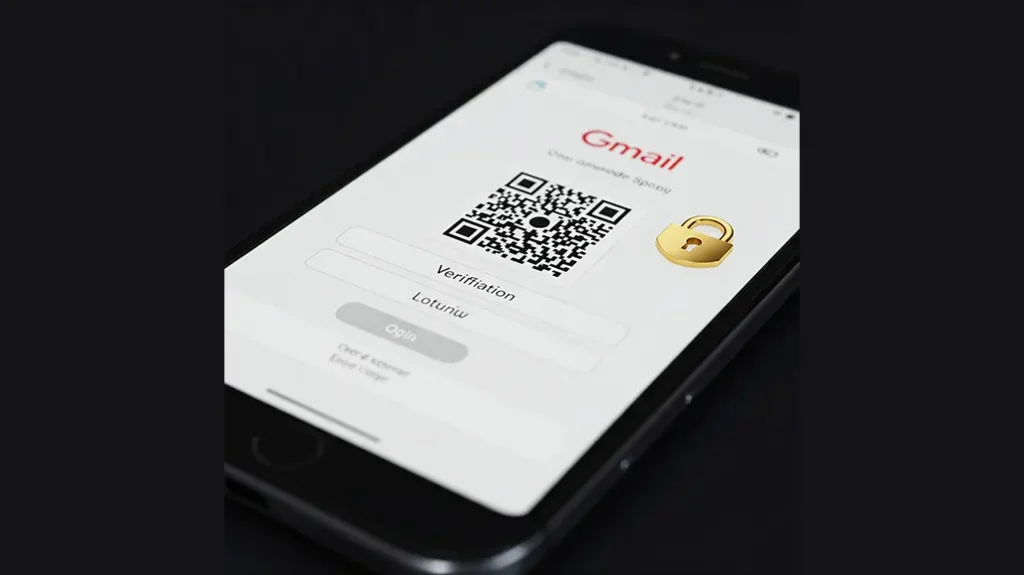
In a world where online security is more critical than ever, Google is taking a bold step to enhance user safety. The tech giant is planning to phase out SMS-based two-factor authentication (2FA) for Gmail accounts. Instead, users will soon rely on a QR code-based verification system. This move aims to address the growing security concerns associated with Gmail SMS codes, such as phishing and fraud.
For years, SMS codes have been a go-to method for verifying user identities. However, Google has identified several vulnerabilities in this system. According to a recent Forbes report, SMS codes can be easily intercepted, and their security often depends on mobile carriers’ practices. With the rise of sophisticated cyber threats, Google believes it’s time for a change.
The Problem with SMS-Based Verification
SMS codes have long been a convenient way to verify user identities, but they come with significant risks. Google’s spokesperson, Ross Richendrfer, highlighted that SMS codes can be phished, and users don’t always have access to the device where the code is sent. Additionally, the security of SMS codes relies heavily on mobile carriers, making them less reliable.
Also Read
Another major issue is the rise of “traffic pumping,” a type of fraud where scammers exploit bulk SMS delivery to earn money. This not only compromises security but also increases costs for service providers. By moving away from SMS-based verification, Google aims to eliminate these risks and create a more secure environment for its users.
How QR Code Verification Works
Google’s new QR code-based system is designed to simplify the verification process while enhancing security. Instead of entering a phone number and waiting for a 6-digit code, users will scan a QR code using their phone’s camera App. This method eliminates the need for typing codes, reducing the chances of human error and making the process faster and more user-friendly.
The shift to QR codes is part of Google’s broader effort to replace outdated security measures with more advanced solutions. Earlier, the company introduced passkeys to replace traditional passwords, and now, it’s taking a similar approach with SMS-based verification.
Benefits of the New System
The transition to QR code-based verification offers several advantages:
- Enhanced Security: QR codes are harder to intercept compared to SMS codes, reducing the risk of phishing and fraud.
- Improved User Experience: Scanning a QR code is quicker and more convenient than typing a code.
- Reduced Dependency on Mobile Carriers: Unlike SMS codes, QR codes don’t rely on mobile networks, making them more reliable.
What This Means for Gmail Users
For Gmail users, this change means a safer and more seamless experience. While SMS codes have served us well, they’re no longer sufficient to combat modern security threats. By adopting QR code-based verification, Google is setting a new standard for online security that other tech companies may soon follow.
Google’s decision to phase out Gmail SMS code verification marks a significant step forward in online security. By replacing SMS codes with QR-based authentication, the company is addressing critical vulnerabilities and offering users a more secure and efficient way to protect their accounts. As technology evolves, staying ahead of cyber threats is essential, and Google’s latest move is a testament to that commitment.